
$2,200 a partner day 000-000-0000

Practice area

Strategy and planning

Where the business is going, what it will stop doing to get there, and which three things happen first.

  • two engagements
  • From $8,800
  • four to ten days

“We are busy and we are not getting anywhere.”

Almost nobody who calls us has a strategy problem in the way the word is used in books. What they have is five good ideas, all half-started, none finished, and a year in which the business worked extremely hard and ended up roughly where it began. That is a sequencing problem, and it is solvable in a few weeks by somebody with no stake in which of the five survives.

Direction work here starts with what the business actually is rather than what it says it is: where the money came from last year, where the hours went, which parts are growing and which are quietly shrinking under cover of the total. Most owners can tell you the total and are surprised by the breakdown, and that surprise is usually where the conversation properly starts. Then we work through what would have to be true in twelve months for the year to have been worth it, and what has to stop for that to be possible. The stopping is the hard part and the reason an outsider is useful: everything on the list is somebody's idea, and several of them are yours.

What we would actually look at

In roughly this order

  • Two years of revenue broken down by customer, by kind of work and by how it arrived
  • Where your own week went, last week, and how much of it was the business rather than the work
  • What has been started in the last two years and not finished, and what stopped each one
  • The three or four things that would change the business most, argued about properly
  • What is deliberately not happening in the next twelve months, written down where people can see it

The engagements

What you can buy, and what it costs

Days are chargeable days. Weeks are the elapsed time, which is always longer. The fee is the first multiplied by the day rate and there is nothing else in it.

Strategy and planning. Days are chargeable days; weeks are how long it takes on the calendar, which is always longer. The fee is the day rate multiplied by the days and there is nothing else in it.
EngagementDaysOverFee
Direction review six to ten days four to six weeks $13,200 to $22,000
The one-page plan four to six days three to four weeks $8,800 to $13,200

Direction review

$13,200 to $22,000

The whole business looked at once: where the money comes from, where the time goes, what is growing, what is quietly shrinking, and what you would do differently if you were starting it tomorrow.

  • six to ten days over four to six weeks
  • partner day, $2,200

The first week: Two days on your premises: one following the work, one with your numbers and your calendar open in front of us.

What you are left holding: A written review of fifteen to twenty pages, and a two-hour session with whoever you want in the room to argue with it.
The one-page plan

$8,800 to $13,200

Twelve months on one page: the three things that happen, the things that deliberately do not, who owns each, and what has to be true by each quarter for it to be on track.

  • four to six days over three to four weeks
  • partner day, $2,200

The first week: A half-day with the owner and a half-day with whoever will actually have to do the work.

What you are left holding: One page, written with you rather than handed to you, plus the working notes behind each line.

How that fee is arrived at

  • Partner day× six$13,200
  • The same rate, at the long end× ten$22,000
  • Travel, materials and anything bought for youat cost
  • What you would be quotedsix to ten days$13,200 to $22,000

The day rate is $2,200 and it is on the fees page. That multiplication is the whole of the pricing model: there is no retainer hidden inside it, no percentage of anything and no success fee.

Where this stops

What this is not

This is not a business plan for a bank and it is not a document to raise money with. Those are written to a lender's format and are a different job. If you need one, we will tell you and point you at somebody who writes them.

Everything we do not do, and who we send you to

A plain closed door in an unbroken wall

A worked example

The importer with one customer and no sleep

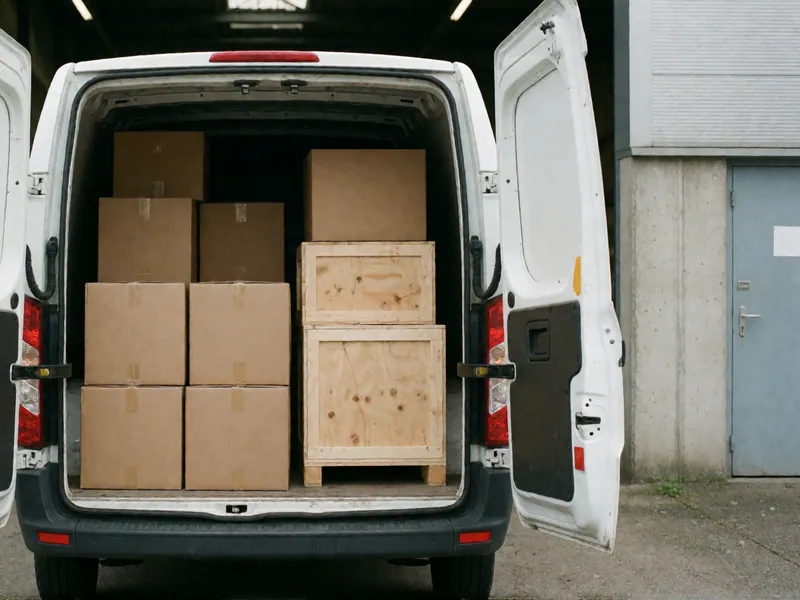
Specialty food wholesale · Eleven people, a warehouse and a van

Forty-three per cent of revenue came from one supermarket group on ninety-day terms, and the owner had been meaning to do something about it for three years.

What we did: Revenue taken apart by customer and by margin, then a direction review with the owner and the two people who would have to execute anything. Nine days over six weeks.

The whole example

Every case study on this site is a composite. Every case study on this site is an illustrative composite assembled from several businesses. No client is named, no logo appears, and there is not a single testimonial on this website attributed to a person — a fabricated one would be the one genuinely dishonest thing a consulting site can do.

Specialty food wholesale

Worth reading first

Is it a sales problem or a delivery problem?

Almost every owner who calls us has decided which one it is before they pick up the telephone, and about a third of them have decided wrong. Here is how to tell in an afternoon.

Questions

What does it cost?

A partner day is $2,200, a blended day is $1,800 and a consultant day is $1,400. Every project on this site is a number of days at one of those three rates, and the fee range printed against it is exactly that multiplication. The smallest piece of work here is four days.

Why do you publish your rates when almost nobody else does?

Because the alternative is that every first meeting spends twenty minutes on a question that has one number in the answer, and because a fee that is only revealed after you have explained your problems is a fee arrived at from your problems.

Is the first meeting really free?

Ninety minutes, no fee, no obligation, and no proposal at the end of it — you get an opinion. Roughly one in four ends with us saying that we are not the right thing for this, which is why we can afford to give the time away.

How long does a piece of work take?

The smallest is about three weeks and the largest runs for two years. The days and the weeks are different numbers and both are printed against every engagement, because six days spread over five weeks is what actually happens.

Strategy and planning · from $8,800

Start with the assessment, or telephone

The assessment takes about four minutes and gives you a written summary of what your answers suggest and which engagement addresses each thing. It is indicative and not professional advice, and it is a better opening than a blank contact form. If you would rather skip it, the telephone works and the first meeting is ninety minutes and free.