Light manufacturing and fabrication
Quoting is the whole game and most small shops quote from memory. Job costing that runs afterwards rather than before is where the money quietly goes.
000-000-0000 · closed Sundays

Where the work has actually been
A consultancy that serves every industry serves none. Each of the seven below is here because there is something specific about it that changes how the work is done, and that sentence is printed against each one.
Quoting is the whole game and most small shops quote from memory. Job costing that runs afterwards rather than before is where the money quietly goes.
Customer concentration and stock are the two risks, and they pull against each other. The biggest customer is usually the one with the worst terms.
Cash arrives long after the work and the schedule is the business. Most of the operations work here is scheduling and change orders.
Labour is the constraint and it moves hourly. Capacity work here is about the shape of a week, not the size of a year.
The product is somebody's time, so pricing and utilisation are the same conversation, and the founder is usually still the best salesperson.
Rostering, turnover and reimbursement timing. We work on the operations of these businesses and never on anything clinical.
Utilisation, maintenance and drivers. The margin is in the empty miles and almost nobody measures them.
Less than consultancies claim and more than owners expect. What does not transfer is anything about the product: nobody here can tell a fabricator how to quote a bend or a restaurant how to cost a dish, and a consultant who arrives with an opinion about your trade after two days in it is a liability. What does transfer is the shape of the questions — where does the work stop, which part is subsidising which, what only lives in one person's head — and those turn out to be remarkably similar in a workshop and a care agency.
That is also why the first week of every engagement is spent watching rather than advising. The trade-specific knowledge belongs to your people, and the job is to ask them the questions nobody inside a business asks out loud.
Most of our clients are between four and a hundred people. Below about four there is usually not enough structure for this to be the right spend and we say so; above a hundred there are firms with more people than we have and it is a fair question whether six of us is the right shape. The middle of that range — fifteen to sixty — is where a business has grown past its structure without noticing, and it is where nearly all of this work happens.
Worked examples
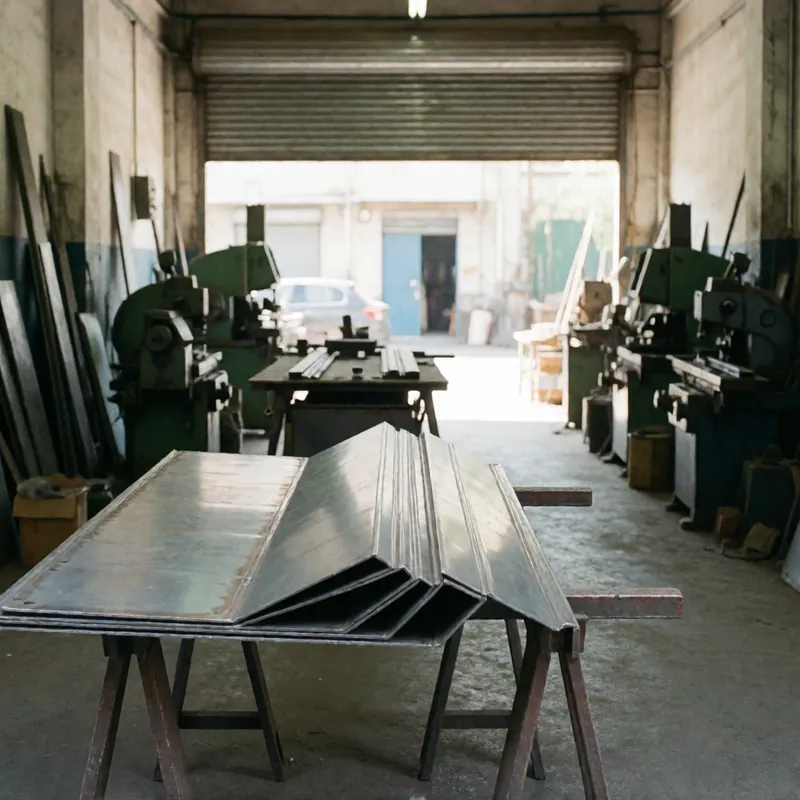
Light manufacturing and fabrication
Revenue up two years running, the owner working six days, and the bank balance flat.
An illustrative composite, not one business

Home care services
Two coordinators were spending most of every week rebuilding a roster by telephone, and turnover among carers was highest in the branch with the most last-minute changes..
An illustrative composite, not one business
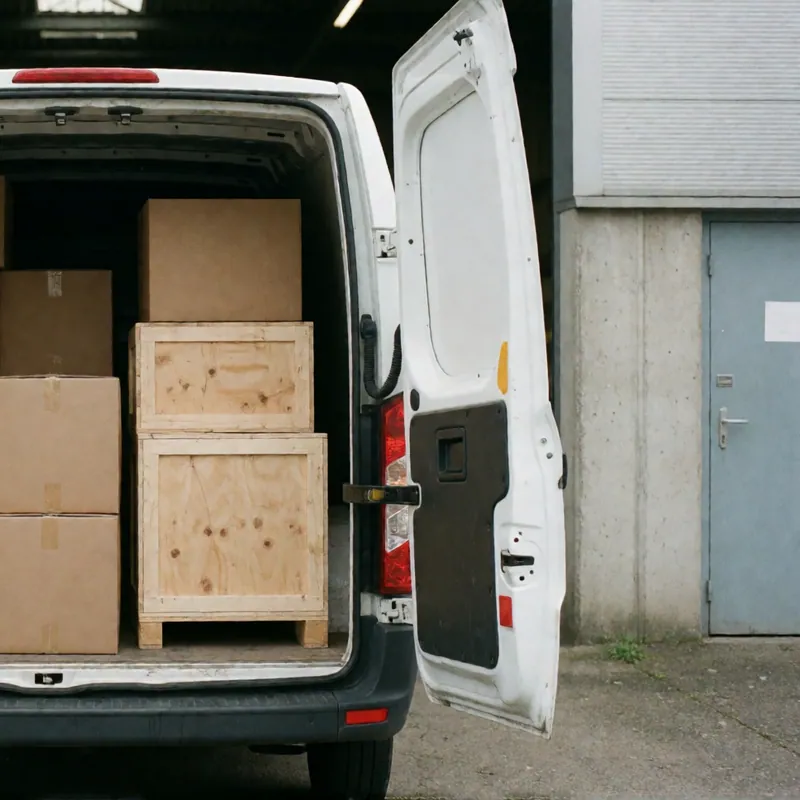
Specialty food wholesale
Forty-three per cent of revenue came from one supermarket group on ninety-day terms, and the owner had been meaning to do something about it for three years..
An illustrative composite, not one business
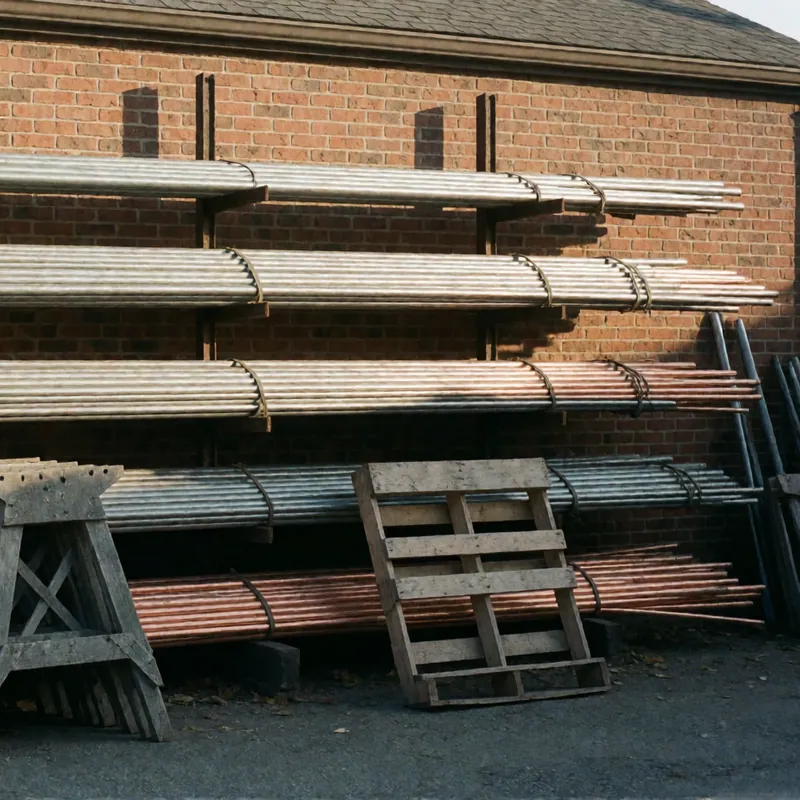
Mechanical contracting
The owner wanted to be out in four years.
An illustrative composite, not one business
$2,200 a partner day · ninety minutes free · about one in four we talk out of it
The assessment takes about four minutes and gives you a written summary of what your answers suggest and which engagement addresses each thing. It is indicative and not professional advice, and it is a better opening than a blank contact form. If you would rather skip it, the telephone works and the first meeting is ninety minutes and free.